Allen Park
Drywall & Plaster Repair • Allen Park, Michigan
Drywall & Plaster Repair in Allen Park, MI
Our Repair process focuses on making a space feel “normal” again — a crack that keeps coming back, a patch edge that shows after repainting, or an opening from a remodel that never truly blends. Allen Park has a lot of well-kept mid-century brick ranch homes, and the most common issues we see are tied to remodel changes and stress at doors, windows, and headers.
We keep the approach practical and cost-effective. If you’re a homeowner updating a room, or a landlord getting a property ready for the next tenant, we focus on repairs that hold up and finish clean under normal lighting.
Want the full process and service overview? Visit our drywall repair & main drywall repair page.
If you’re looking for painting services after the repairs are complete, we do that too — see our painting services. We keep painting as a separate service so this page stays focused on drywall and plaster repair.
Common Drywall and Plaster Problems in Allen Park Brick Ranches
Allen Park homes are often solid mid-century builds, but age plus upgrades creates repeat patterns. The most frequent calls aren’t “brand-new holes” — they’re finish problems that become obvious after repainting, brighter lighting, or a remodel.
What we get called for most
- Cracks above doors and windows after replacements (header stress)
- Kitchen/dining openings and pass-throughs that telegraph through paint
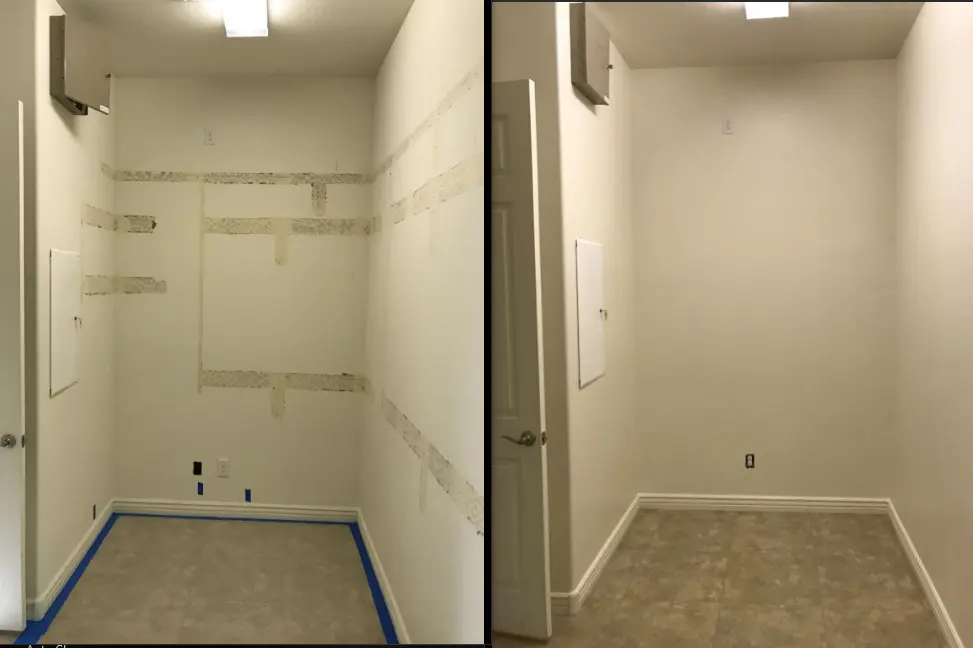
- Old patch layers that show as outlines or “flashing” after repainting
- Ceiling cutouts from electrical work and added can lights
- Corner bead and tape lines that loosen in basements with humidity swings
- Mixed surfaces where older plaster meets newer drywall
Our goal is simple: fix what’s visible, stabilize what’s weak, and avoid overbuilding the repair.
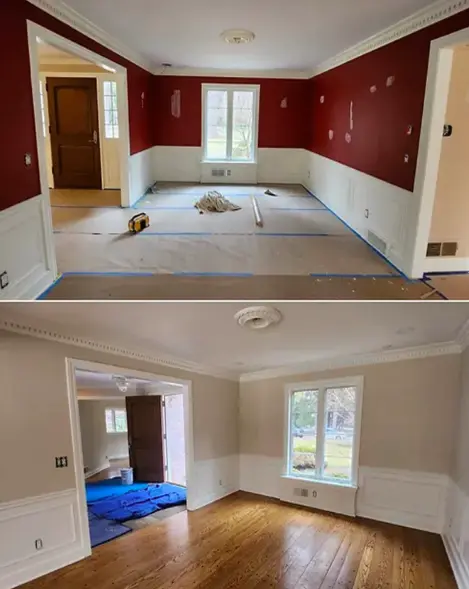
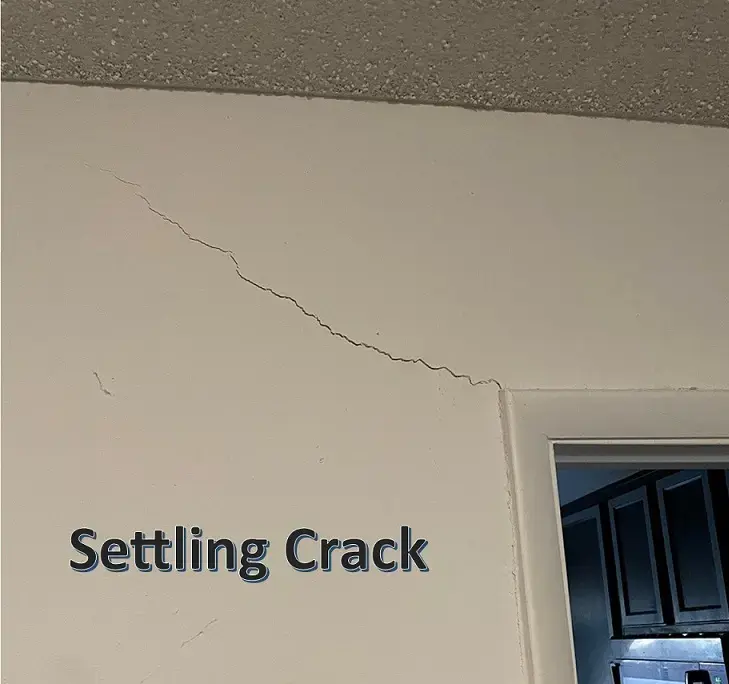
In Wayne County, seasonal wet/dry cycles and clay-heavy soil can add small movement over time. That movement often shows up first around openings and transitions — exactly where paint and lighting make flaws most noticeable.
How We Repair Drywall & Plaster (Without Overdoing It)
We keep repairs practical: fix the failure, make the finish blend, and plan around how the wall will look after paint. That matters for homeowners — and it matters even more for landlords who want repairs that hold up between turnovers.
Our repair approach
Plan for the finish
- We identify whether the issue is cosmetic surface failure or movement-related.
- We reinforce weak seams and transitions so the repair doesn’t reopen.
- We blend wider than most people expect so edges don’t flash after repainting.
- We match the existing surface texture where it matters visually.
- We keep the scope right-sized — durable and clean, without unnecessary rebuilds.
If a wall is actively bowing or taking on water, we’ll recommend addressing that condition first so the finish repair lasts.

Who This Repair Service Is Best For
Allen Park projects tend to fall into two lanes: homeowners upgrading rooms, and landlords who need cost-effective repairs that look clean and hold up. Either way, the goal is the same — stop the repair from catching your eye.
A good fit for:
- Homeowners fixing cracks, patches, and wall flaws before repainting
- Landlords preparing units between tenants (durable, clean finishes)
- Move-in prep and resale work where walls need to present well
- Kitchen/dining openings and pass-throughs that need proper blending
- Ceiling cutouts from electrical work and lighting upgrades
Not intended for:
- Active structural bowing that requires foundation reinforcement first
- Ongoing water intrusion that hasn’t been corrected
- Major framing movement that needs an engineering plan
We handle drywall and plaster repair — and we’ll be straight with you if the wall condition needs a different specialist first.
Drywall & Plaster Repair FAQs (Allen Park)
Why do cracks show up above doors and windows after replacements?
Openings concentrate stress. When doors or windows get replaced, the surrounding framing can shift slightly, and seasonal movement can show up as hairline cracks near corners. We repair these by reinforcing where needed and blending the finish wide enough that it won’t telegraph through paint.
We opened up a wall between the kitchen and dining room — can you blend it so it doesn’t show?
Yes. Remodel openings are common in ranch layouts. The key is proper backing, stable seams, and a blend that extends far enough beyond the repair so the wall reads flat under normal lighting after paint.
Can you do cost-effective repairs for rentals without making it look patched?
That’s exactly the goal. We right-size the repair: stabilize what’s weak, fix what’s visible, and avoid overbuilding the scope. The finish is planned so it looks clean for showings and holds up through normal tenant use.
Are basement drywall issues common?
Yes. Basements can have humidity swings that loosen tape lines, corner bead, or old patchwork over time. If there’s active moisture, we recommend stabilizing the condition first so the repair lasts.
Can you fix ceiling cutouts from electrical work or added can lights?
Yes. We rebuild the cutout properly, tape and finish it, then blend the surface so it doesn’t stand out. If there’s texture, we’ll match it as closely as possible.
How long do drywall and plaster repairs usually take?
Most standard repairs take about 6 hours. Multiple areas, wider blending, or more complex transitions can take up to two days. We’ll explain the plan and timeline before work begins so there are no surprises.
Do you also handle painting after the repairs are done?
Yes. You can paint yourself after repairs, or we can handle painting as a separate service so everything blends correctly. Learn more about our painting services.
Allen Park Drywall & Plaster Repair — Clean, Practical, Paint-Ready
If you’re dealing with recurring cracks, remodel seams, patch outlines, or ceiling cutouts, the right repair plan makes the room look right again. Drywall and Plaster Repair Allen Park MI should be practical — we’ll explain what’s causing the issue and keep the scope cost-effective and durable.
Related pages
Additional local & homeowner resources
- Allen Park Building & Engineering Department
- Building Science: understanding water & moisture behavior
- ICC reference: gypsum board & plaster standards
These links support local relevance and homeowner education without sending visitors to competitors.